


How to Help Someone Else
5 Ways to Support Survivors
When someone you care about is being harmed, it can feel difficult to know how to respond.

The most important thing to do is believe them, listen, and be supportive. Here are five ways to support survivors in your life.
It is crucial to believe survivors. Avoid asking questions that cast doubt on the situation. Survivors react in many different ways, some of which you might not understand or expect. Your loved one may have also experienced gaslighting, a form of abuse that makes them doubt their own truth. By believing your loved one, you can help them reclaim their sense of self and their reality.
It may be difficult for the survivor to talk about the abuse or assault, so be patient as they share their story. It can be helpful to remind your loved one that they did not say or do anything to deserve being mistreated. There is no excuse for abuse or assault. You can acknowledge that the situation is difficult and scary, and let them know you are concerned about their safety. When in doubt about what to say or do, listen.
While it can be difficult to see someone you care about being hurt, you cannot “save” them from the situation. Understand that leaving is difficult, dangerous, and should not be forced. Safety planning is critical. Be patient, even if they leave and return to the relationship multiple times.
Allow the survivor to make their own decisions, and do not criticize their choices in regards seeking medical attention (namely a forensic exam), reporting the assault or abuse, and pursuing help through the legal system, such as protective orders. No matter what steps the survivor chooses to take, or not take, support them in making their own decisions.
Your loved one’s partner may attempt to drive a wedge between them and their support system, including you. Remind them that they are not alone. Navigating intimate partner violence is difficult, even after the relationship ends, especially because the abuse may continue. Your ongoing support can be a lifeline during these times.
Remember that the survivor is the expert in their own experience and healing process.
Intimate partner violence and sexual assault are both traumatic and personal. There is no standard timeline or path to follow after the trauma. Healing is not linear.
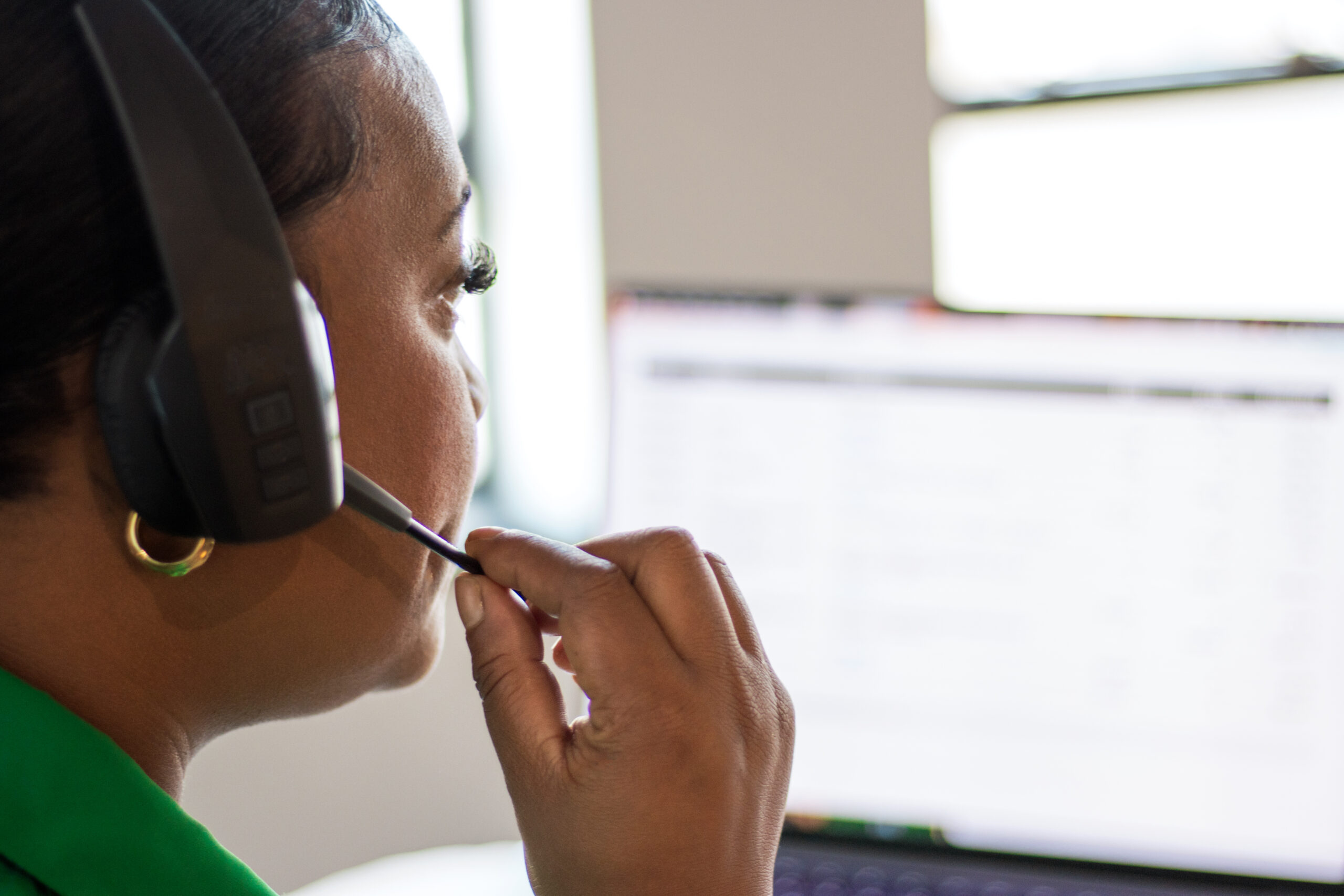
Advocates are available 24/7 on Doorways’ hotline (703-237-0881) to listen, talk, and provide information, support, safety planning, and referrals to services. If you have questions or concerns, we encourage you to contact Doorways’ hotline for support as well. We are here for you, too.
Call Our Hotline: 703-237-0881
For support, information, help with safety planning, and referrals to services, please contact Doorways’ 24-hour hotline at 703-237-0881. All languages available.